The demand for professional hair and skin care services is growing as more people seek expert guidance for hair loss, scalp conditions, skin concerns, and aesthetic treatments. This growing interest has created opportunities for trained professionals who want to develop specialised knowledge in trichology, cosmetology, and medical aesthetics.
Choosing the right Trichology Courses in Delhi can help aspiring professionals and eligible healthcare practitioners build knowledge of hair and scalp health, understand common hair disorders, and explore suitable treatment approaches within their professional scope.
Alongside trichology training, an Advance Diploma in Cosmetology and a Medical Aesthetics Course can offer additional learning opportunities for those interested in skin care, aesthetic procedures, and non-surgical cosmetic treatments.
This guide explores course options, potential career opportunities, important learning areas, and how to select a suitable training programme.
What Are Trichology Courses in Delhi?
Trichology is the specialised study of hair and scalp health. It focuses on understanding hair growth, hair loss patterns, scalp conditions, and factors that may influence hair quality.
Trichology Courses in Delhi are designed to introduce learners to the scientific principles of hair and scalp care. Depending on the programme, students may explore hair anatomy, the hair growth cycle, common hair and scalp concerns, patient assessment, and available management approaches.
These courses may be relevant to dermatology professionals, doctors, healthcare practitioners, and other eligible learners seeking specialised education in hair science. Course eligibility and the permitted scope of practice vary, so applicants should confirm the requirements before enrolling.
What Will You Learn in a Trichology Course?
Course content varies by institution, but key learning areas may include:
Hair anatomy and physiology
Hair growth cycles and common causes of hair loss
Scalp conditions and their assessment
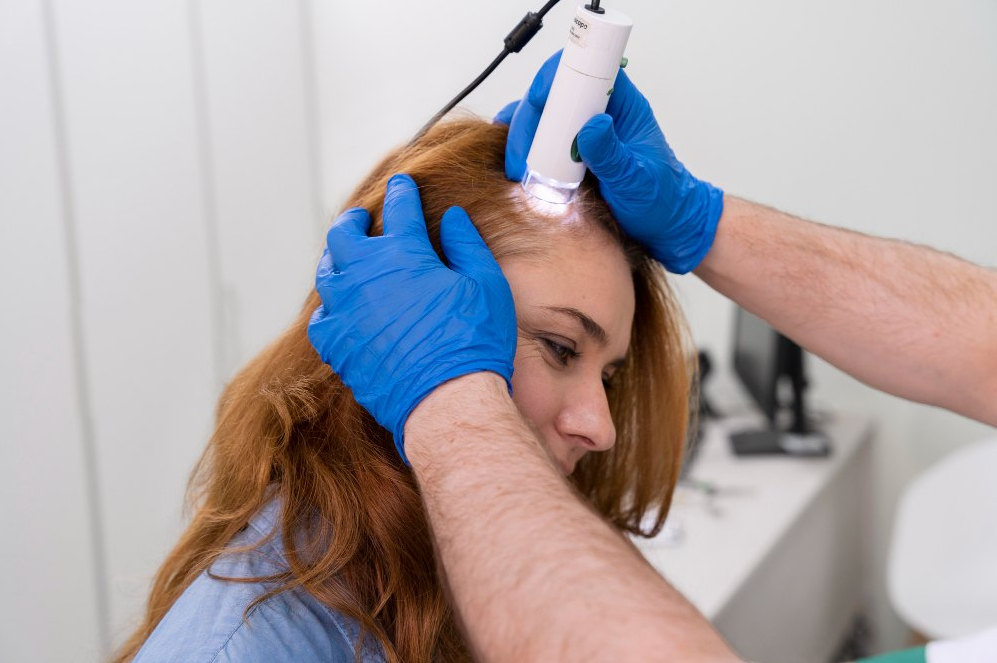
Basic principles of trichoscopic examination
Nutrition and lifestyle factors associated with hair health
Overview of medical and non-medical hair restoration approaches
Patient consultation, documentation, and follow-up
Professional ethics and referral for conditions requiring specialist care
A well-structured programme should balance theoretical learning with appropriate practical demonstrations and supervised training where applicable.
Why Choose Trichology Training in Delhi?
Delhi offers access to a broad healthcare and aesthetic education environment, making it a location worth considering for specialised professional training.
Here are several factors to evaluate when choosing a programme.
1. Specialised Knowledge of Hair and Scalp Health
Dedicated training can help learners understand common hair concerns and the scientific principles behind hair and scalp assessment. This knowledge may be valuable for professionals working in relevant clinical or hair care settings.
2. Practical Learning Opportunities
Depending on the programme, learners may have opportunities to observe assessment methods, study clinical cases, and understand treatment planning. Before enrolling, check whether practical sessions are included and who supervises them.
3. Professional Development
Specialised education can support career development for eligible healthcare professionals seeking to expand their existing knowledge. However, completing a course does not automatically grant a medical licence or authorisation to perform restricted procedures.
4. Exposure to Hair Restoration Concepts
Training may introduce learners to different approaches to hair restoration, including medical management, supportive hair care, and an overview of hair transplantation. The specific techniques taught depend on the course curriculum and the learner's professional eligibility.
Advance Diploma in Cosmetology: Expanding Your Skills
An Advance Diploma in Cosmetology can be an option for learners interested in developing broader knowledge of skin, hair, and aesthetic care.
Cosmetology programmes vary significantly in their entry requirements, curriculum, duration, and practical components. Some focus on beauty and skin care fundamentals, while others are designed for qualified healthcare professionals and include more advanced clinical subjects.
Topics Covered in an Advanced Cosmetology Programme
Depending on the institution, the curriculum may include:
Skin anatomy and skin care principles
Common skin concerns and pigmentation
Acne and post-acne marks
Chemical peel fundamentals
Laser and light-based treatment principles
Hair and scalp care
Anti-ageing treatment concepts
Hygiene, safety, and patient consultation
For healthcare professionals, advanced programmes may provide opportunities to explore clinical assessment and aesthetic treatment principles within their qualifications and authorised scope of practice.
When comparing programmes, check the exact qualification awarded, practical training hours, faculty credentials, and whether the diploma is recognised by the relevant professional or regulatory body.
Medical Aesthetics Course: Learn About Modern Aesthetic Treatments
A Medical Aesthetics Course introduces eligible learners to the principles of aesthetic medicine and commonly used cosmetic procedures. These programmes may be particularly relevant to qualified doctors and other healthcare professionals whose existing qualifications permit the relevant training.
Medical aesthetics combines an understanding of skin health, facial anatomy, patient assessment, treatment planning, and safety.
Important Learning Areas in Medical Aesthetics
Skin rejuvenation: Understand the principles behind treatments intended to improve skin texture and appearance.
Chemical peels: Learn about peel types, patient selection, contraindications, and appropriate safety considerations.
Laser-based treatments: Explore the fundamentals of laser technology, indications, skin assessment, and risk management.
Anti-ageing treatments: Study facial ageing, treatment goals, patient expectations, and the importance of individualised assessment.
Patient consultation: Understand how medical history, informed consent, realistic expectations, and follow-up contribute to responsible aesthetic practice.
Clinical safety: Learn about hygiene, adverse effects, contraindications, and referral or escalation when complications arise.
The procedures included in a Medical Aesthetics Course depend on the programme. Hands-on clinical training should be provided only where appropriate, with suitable supervision and in accordance with applicable professional regulations.
Trichology vs Cosmetology vs Medical Aesthetics
Although these subjects overlap in some areas, they have different educational focuses.
CourseMain FocusSuitable LearnersTrichology Courses in DelhiHair and scalp healthEligible healthcare professionals and learners meeting course requirementsAdvance Diploma in CosmetologyBroader skin, hair, and cosmetic careApplicants who meet the institution's eligibility criteriaMedical Aesthetics CourseClinical aesthetic principles and proceduresPrimarily qualified healthcare professionals, depending on the curriculum
The best option depends on your existing qualifications, professional goals, and the type of work you intend to pursue.
For someone primarily interested in hair loss and scalp health, trichology may be the most relevant starting point. Learners interested in broader cosmetic care may prefer cosmetology, while eligible medical professionals seeking further education in aesthetic procedures may consider medical aesthetics training.
Career Opportunities After Trichology Training
Trichology education may help learners develop knowledge relevant to several hair and scalp care settings. Actual career options depend on the learner's qualifications, experience, local regulations, and the type of certificate or diploma completed.
Potential pathways may include:
Hair and scalp care support roles, where permitted
Work in eligible dermatology or hair care settings
Hair restoration education and support roles
Further professional education in trichology
Hair and scalp health consultation within an authorised scope of practice
Research, education, or related professional development opportunities
Qualified doctors may explore further specialised training relevant to their medical practice. Other learners should verify which services they can legally provide before offering consultations or treatments.
It is important to distinguish a training certificate from a recognised professional qualification. A short course alone does not establish eligibility to diagnose medical conditions, prescribe medicines, or perform medical procedures.
How to Choose the Best Trichology Course in Delhi
Before enrolling in any programme, consider the following factors.
Check Course Eligibility
Confirm whether the course is intended for doctors, healthcare professionals, cosmetologists, or beginners. Ensure your qualifications meet the entry requirements.
Review the Curriculum
Look for a clearly defined syllabus covering hair biology, scalp assessment, common conditions, safety, and relevant practical learning.
Evaluate Faculty Experience
Review the trainers' qualifications, professional experience, and expertise in the subject.
Understand Practical Training
Ask about demonstrations, supervised sessions, clinical exposure, assessment methods, and the facilities available to students.
Verify Certification
Check the name of the awarding institution, the exact credential, and any applicable recognition or accreditation. Do not assume that every private certificate is equivalent to a regulated qualification.
Compare Duration and Learning Support
Consider the programme's duration, learning format, assessment process, and opportunities for further education. Select a course that fits your professional objectives rather than relying on promotional claims alone.
Who Should Consider These Courses?
Trichology, cosmetology, and medical aesthetics programmes can suit different learners depending on their educational background and career plans.
Doctors: May explore advanced learning in hair disorders, hair restoration, and aesthetic medicine, subject to eligibility.
Healthcare professionals: May seek additional subject knowledge relevant to their existing roles.
Cosmetology professionals: May consider suitable courses to strengthen their understanding of cosmetic and skin care principles.
Students and beginners: Should look for programmes that explicitly accept their qualifications and provide training appropriate to their level.
Always confirm whether the course prepares you for your intended role and whether additional qualifications are required.
Frequently Asked Questions
1. Which are the best Trichology Courses in Delhi?
The best course depends on your qualifications, learning objectives, curriculum requirements, faculty, practical training, and certification. Compare programmes carefully before making a decision.
2. Can I study trichology after completing cosmetology training?
Eligibility varies by institution. Some programmes accept learners with cosmetology backgrounds, while advanced clinical courses may require recognised healthcare qualifications.
3. What is an Advance Diploma in Cosmetology?
It is a specialised educational programme that may cover skin care, hair care, cosmetic treatments, and related subjects. Curriculum, recognition, and eligibility differ between institutions.
4. Who can enrol in a Medical Aesthetics Course?
Many clinical medical aesthetics programmes are intended for qualified doctors or other eligible healthcare professionals. Check the institution's entry requirements and applicable regulations.
5. Does a trichology certificate allow me to treat hair loss medically?
Not automatically. The ability to diagnose conditions, prescribe medication, or perform procedures depends on your underlying professional qualifications and applicable laws.
6. What should I check before joining a trichology course?
Review the syllabus, faculty, practical training, eligibility requirements, certification, duration, and any professional recognition associated with the programme.
Conclusion
Choosing the right Trichology Courses in Delhi can be an important step towards developing specialised knowledge of hair and scalp health. For learners interested in broader cosmetic care, an Advance Diploma in Cosmetology may offer additional subject knowledge, while a Medical Aesthetics Course can provide further learning opportunities for eligible healthcare professionals.
Before enrolling, compare the curriculum, practical training, faculty experience, and certification carefully. The right programme should align with your qualifications and professional goals while maintaining a strong focus on safety, ethical practice, and appropriate scope of work.
Explore suitable training options, review the available course details, and choose a learning pathway that supports your long-term professional development.
Ready to start your aesthetic career?
Explore hands-on courses designed for doctors and professionals.