The beauty and aesthetic industry continues to evolve with advanced cosmetic enhancement techniques that help individuals achieve more defined facial features and long-lasting makeup effects. One such specialised field is Permanent Makeup (PMU), which includes eyebrow microblading, powder brows, lip blush, lip neutralisation and eyeliner enhancement.
As interest in cosmetic pigmentation grows, understanding the techniques, equipment, safety protocols and professional skills involved in PMU has become increasingly important.
A Permanent Makeup (PMU) Course in Delhi can help eligible learners understand modern cosmetic pigmentation techniques through structured education, practical demonstrations and supervised skill development.
At Youngness Institute, the Permanent Makeup Training Course covers essential areas of PMU education, including eyebrow mapping, skin anatomy, pigment selection, colour theory, microblading, lip blush and advanced pigmentation concepts.
Whether you are exploring permanent cosmetics as a professional development opportunity or researching modern PMU techniques, understanding the training process is an important first step.
What Is Permanent Makeup (PMU)?
Permanent Makeup, commonly known as PMU, is a cosmetic pigmentation technique used to enhance facial features by depositing specialised pigments into the skin.
It is also known as cosmetic tattooing or micropigmentation. Unlike conventional makeup, which is applied to the skin's surface and removed daily, PMU pigmentation is designed to create longer-lasting cosmetic effects.
Depending on the technique and treatment area, PMU may be used to enhance:
Eyebrows through microblading, powder brows and ombre brows.
Lips through lip blush and lip neutralisation.
Eyes through eyeliner and lash-line enhancement.
Facial features through specialised cosmetic pigmentation techniques.
The longevity and appearance of PMU results depend on factors such as skin type, pigment selection, application technique, aftercare and individual healing.
Why Is Permanent Makeup Training Becoming Important?
Permanent makeup involves specialised knowledge of skin anatomy, pigmentation, facial proportions and hygiene. Learning these fundamentals is important for anyone considering professional development in cosmetic pigmentation.
A structured PMU training program can help learners understand:
Facial Mapping: Understanding facial proportions and designing balanced eyebrow shapes.
Colour Theory: Learning how pigments, undertones and skin tones influence cosmetic results.
Skin Anatomy: Understanding skin structure, sensitivity and pigmentation considerations.
Equipment Knowledge: Becoming familiar with PMU machines, needles and professional tools.
Hygiene and Safety: Understanding sterilisation, infection prevention and safe working practices.
Client Consultation: Learning how to assess preferences, explain procedures and discuss realistic expectations.
These skills contribute to a better understanding of professional permanent makeup practices.
What Are the Different Types of Permanent Makeup Techniques?
Modern PMU includes several techniques designed for different facial features and cosmetic preferences.
1. Eyebrow Microblading
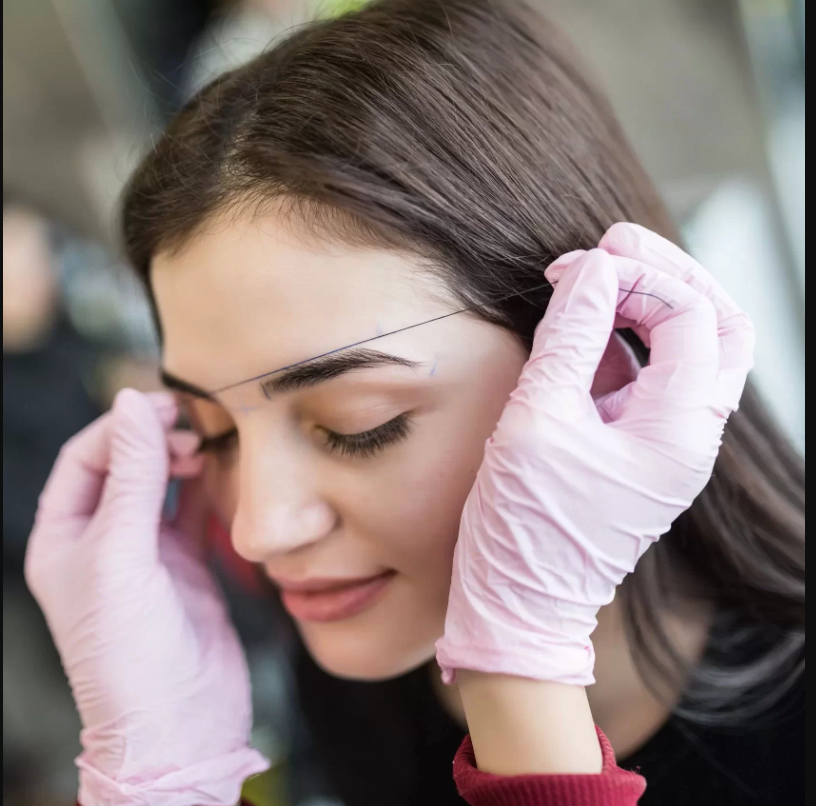
Microblading is a cosmetic pigmentation technique that creates fine, hair-like strokes to enhance the appearance of eyebrows.
It is commonly selected by individuals who want a more defined eyebrow shape or the appearance of fuller brows.
Important learning areas include:
Eyebrow mapping and facial symmetry.
Hair-stroke pattern development.
Pigment selection.
Skin assessment.
Tool handling.
Post-procedure care.
The final appearance depends on skin characteristics, technique and individual healing.
2. Powder Brows
Powder brows use a shading-based pigmentation technique to create a soft, filled-in eyebrow appearance.
Unlike individual hair-like strokes, this technique creates a makeup-inspired finish.
Training may include:
Brow shape assessment.
Shading patterns.
Pigment selection.
Machine handling.
Gradual colour application.
Understanding pigment retention.
3. Ombre Brows
Ombre brows create a gradual shading effect, generally with a lighter appearance towards the front of the eyebrows and more defined colour towards the tail.
This technique is designed to create a soft gradient effect.
Important concepts include colour transitions, brow mapping, pigment distribution and understanding skin response.
4. Lip Blush
Lip blush is a cosmetic pigmentation technique used to enhance the natural appearance of the lips by adding colour and definition.
It can help create a more uniform-looking lip tone and a subtle makeup effect.
Training topics may include:
Lip anatomy and assessment.
Lip colour selection.
Pigment undertones.
Lip mapping.
Pigment application principles.
Healing and aftercare considerations.
5. Lip Neutralisation
Lip neutralisation is a specialised pigmentation approach used to address uneven or darker-looking lip tones.
It requires an understanding of colour theory, pigment selection, natural lip colour and individual skin characteristics.
6. Eyeliner and Lash-Line Enhancement
Eyeliner enhancement involves cosmetic pigmentation around the eye area to create a more defined lash-line appearance.
This area requires particular attention to anatomy, hygiene, equipment handling and safety because of its proximity to the eyes.
What Is Included in a Professional PMU Training Course?
A comprehensive Permanent Makeup Training Course should cover theoretical knowledge alongside appropriate practical learning.
Here are some important curriculum areas to understand before choosing a program.
Module 1: Introduction to Permanent Makeup
Understand cosmetic pigmentation, the different PMU procedures, industry terminology and professional practice fundamentals.
Module 2: Skin Anatomy and Skin Types
Learn about skin layers, skin characteristics, sensitivity, healing and factors that influence pigmentation outcomes.
Module 3: Eyebrow Microblading Techniques
Understand eyebrow mapping, facial proportions, hair-stroke patterns, tools and pigmentation principles.
Module 4: Powder Brows and Ombre Brows
Explore shading techniques, pigment blending, brow design and gradual colour transitions.
Module 5: Lip Blush and Lip Neutralisation
Study lip assessment, colour selection, pigment undertones and cosmetic lip enhancement concepts.
Module 6: Eyeliner and Lash Enhancement
Understand eye-area anatomy, mapping, cosmetic pigmentation principles and safety considerations.
Module 7: Colour Theory and Pigment Science
Learn about pigment composition, undertones, colour selection, skin-tone considerations and colour correction.
Module 8: Hygiene, Safety and Client Management
Understand sanitation, infection prevention, appropriate equipment handling, client consultation and aftercare communication.
Module 9: Advanced PMU Concepts and Professional Development
Explore advanced cosmetic pigmentation concepts, portfolio development, professional communication and ongoing skill development.
At Youngness Institute, these subjects are reflected in the published PMU course curriculum. The exact practical activities, supervision and admission requirements should be confirmed with the institute before enrolment.
Who Can Join a Permanent Makeup Training Course?
Eligibility depends on the institute, course structure and the type of procedures covered.
Some PMU education programs are designed for beauty professionals and aspiring PMU artists, while others may be structured specifically for qualified medical professionals.
Before applying, candidates should check:
Educational qualifications.
Previous beauty or medical experience, if required.
Course-specific admission criteria.
Practical training eligibility.
Certification requirements.
Applicable local professional and safety regulations.
For procedures involving skin penetration, candidates should understand that training completion does not automatically grant permission to perform every procedure independently. Professional scope, local regulations and appropriate qualifications must be followed.
How to Choose the Best PMU Training Institute in Delhi?
Choosing the right training institute is important for developing a strong foundation in permanent makeup.
Consider these factors before making your decision.
1. Comprehensive Course Curriculum
Look for a curriculum covering microblading, powder brows, ombre brows, lip blush, colour theory, skin anatomy and hygiene.
2. Experienced Faculty
Check the qualifications, relevant experience and professional background of the trainers.
3. Practical Learning Opportunities
Understand whether the institute provides demonstrations, guided exercises and supervised practical exposure.
4. Equipment and Training Infrastructure
Review the PMU machines, pigmentation tools, learning facilities and hygiene arrangements used during training.
5. Certification Details
Ask about the certificate-issuing organisation, assessment requirements and the exact recognition associated with the qualification.
6. Portfolio Development
A good educational program should explain how learners can document their work and develop a professional portfolio using appropriate consent and privacy practices.
Why Consider Youngness Institute for Permanent Makeup Training in Delhi?
Youngness Institute offers a Permanent Makeup (PMU) Course in Delhi focused on modern cosmetic pigmentation education and professional skill development.
Its published curriculum covers several important PMU areas, including:
Eyebrow microblading.
Powder and ombre brows.
Lip blush and lip neutralisation.
Eyeliner and lash enhancement.
Colour theory and pigment science.
Skin anatomy and skin types.
Hygiene and safety.
Equipment handling and client management.
Professional development and portfolio knowledge.
The program also highlights expert guidance, practical learning and exposure to different permanent makeup techniques.
Prospective candidates should contact the institute to confirm eligibility, training arrangements, course duration, practical exposure and certification details.
Explore the course: Permanent Makeup (PMU) Course in Delhi – Youngness Institute
Career Opportunities After PMU Training
Permanent makeup education can help eligible learners explore different professional opportunities within the cosmetic and aesthetic industry.
Potential career pathways may include:
Permanent Makeup Artist
Develop specialised knowledge of eyebrow, lip and other cosmetic pigmentation techniques, subject to applicable professional requirements.
Microblading Specialist
Focus on eyebrow mapping, hair-stroke techniques and cosmetic eyebrow enhancement.
Lip Blush Professional
Develop knowledge of lip pigmentation, colour selection and cosmetic lip enhancement.
PMU Studio Professional
Explore professional opportunities in permanent makeup studios and cosmetic beauty establishments.
Beauty and Aesthetic Industry Professional
Use relevant PMU knowledge as part of a broader professional skill set in the beauty and aesthetic industry.
PMU Education and Training
With suitable experience, qualifications and professional competence, individuals may explore future opportunities in PMU education and skill development.
Career opportunities depend on qualifications, practical competence, applicable regulations and market requirements. Completing a course does not guarantee employment or business success.
Frequently Asked Questions About Permanent Makeup Training
1. What is a Permanent Makeup (PMU) Course?
A Permanent Makeup Course is a specialised educational program covering cosmetic pigmentation techniques such as eyebrow microblading, powder brows, lip blush, lip neutralisation and eyeliner enhancement.
2. What techniques are taught in PMU training?
Common training topics include microblading, powder brows, ombre brows, lip blush, lip neutralisation, eyeliner enhancement, colour theory and skin anatomy.
3. What is the difference between microblading and powder brows?
Microblading creates fine, hair-like eyebrow strokes, whereas powder brows use shading techniques to create a soft, filled-in makeup appearance.
4. What is the difference between permanent makeup and traditional makeup?
Traditional makeup is applied to the skin's surface and removed regularly. Permanent makeup involves cosmetic pigmentation techniques designed to produce longer-lasting results.
5. Who is eligible for a PMU Training Course in Delhi?
Eligibility varies by institute and program. Some courses accept eligible beauty professionals, while others are designed for qualified medical professionals. Check the specific admission criteria before applying.
6. Is practical training included in a PMU course?
Practical learning may include demonstrations, guided exercises and supervised practice. The exact training format should be confirmed with the institute.
7. What is lip blush training?
Lip blush training introduces learners to cosmetic lip pigmentation, including colour selection, lip assessment, pigment application principles and aftercare considerations.
8. How long does a Permanent Makeup Course take?
Course duration varies according to the curriculum, training level and practical schedule. Contact the institute for its current course duration and batch availability.
9. Does PMU training include colour theory?
Yes. Colour theory is an important part of PMU education because pigment undertones, skin tone and colour correction can influence cosmetic pigmentation results.
10. Where can I learn Permanent Makeup in Delhi?
Youngness Institute offers a Permanent Makeup (PMU) Course in Delhi. Visit its official course page to explore the curriculum, admission requirements and training details.
Conclusion
Permanent Makeup is a specialised area of cosmetic pigmentation that combines artistic understanding with knowledge of skin anatomy, colour theory, facial proportions and hygiene.
From microblading and powder brows to lip blush and eyeliner enhancement, each PMU technique requires an understanding of its specific application principles and safety considerations.
For individuals interested in developing knowledge of modern permanent cosmetics, a structured PMU training program can provide an educational foundation and an opportunity to explore professional development.
If you are researching a Permanent Makeup (PMU) Course in Delhi, compare the curriculum, faculty experience, practical learning arrangements and certification details before choosing an institute.
Explore the Permanent Makeup Course at Youngness Institute to learn more about its training curriculum and admission process.
Ready to start your aesthetic career?
Explore hands-on courses designed for doctors and professionals.