Hair Transplant Training in Delhi: FUE, DHI Techniques, Eligibility & Career Opportunities
Hair restoration is an evolving field of aesthetic and clinical practice, creating opportunities for qualified medical professionals to develop specialised knowledge of hair loss management and hair transplantation. Understanding modern techniques, patient assessment, graft handling and clinical safety is essential for professionals interested in this area.
A Hair Transplant Training Course in Delhi can help eligible medical professionals understand the fundamentals of hair restoration through structured theoretical education, clinical demonstrations and supervised practical learning.
At Youngness Institute, the Hair Transplant Training Course introduces learners to important aspects of modern hair restoration, including Follicular Unit Extraction (FUE), Direct Hair Implantation (DHI), hairline design, graft planning and patient care.
Whether you are exploring hair restoration as a professional development opportunity or looking to understand modern transplantation techniques, choosing the right training program is an important first step.
What Is Hair Transplant Training?
Hair transplant training is a specialised educational program that introduces qualified medical professionals to the clinical principles and techniques involved in hair restoration.
It generally covers the assessment of hair loss, scalp examination, donor area evaluation, hairline planning, graft management and an understanding of different hair transplantation techniques.
A comprehensive training curriculum may include:
Fundamentals of hair loss and alopecia.
Scalp examination and patient assessment.
Follicular Unit Extraction (FUE).
Direct Hair Implantation (DHI).
Hairline design and graft distribution.
Donor and recipient area planning.
Infection prevention and clinical safety.
Post-procedure care and complication management.
The objective is to develop clinical understanding and knowledge through structured education. Practical exposure and permitted clinical responsibilities depend on professional qualifications, training arrangements and applicable regulations.
Why Is Hair Transplant Training Important for Medical Professionals?
Hair restoration requires more than an understanding of transplantation instruments. It involves patient evaluation, clinical decision-making, treatment planning and knowledge of potential complications.
Structured hair restoration training can help eligible professionals develop a better understanding of these areas.
1. Understanding Different Hair Loss Conditions
Hair loss can occur due to several factors, including genetic predisposition, hormonal changes, nutritional deficiencies and certain medical conditions.
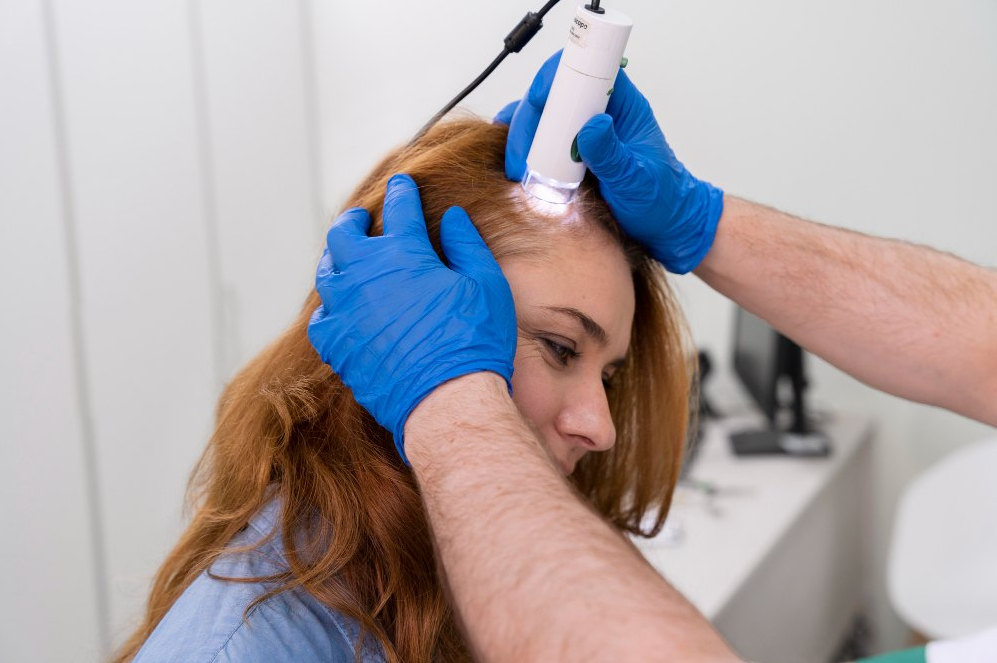
Training introduces learners to different hair loss patterns, scalp examination and the importance of identifying patients who may require further medical evaluation.
2. Learning Modern Hair Transplant Techniques
FUE and DHI are widely discussed approaches in modern hair restoration. Understanding their principles, instruments, workflow and clinical considerations is an important part of professional education.
3. Understanding Hairline Design
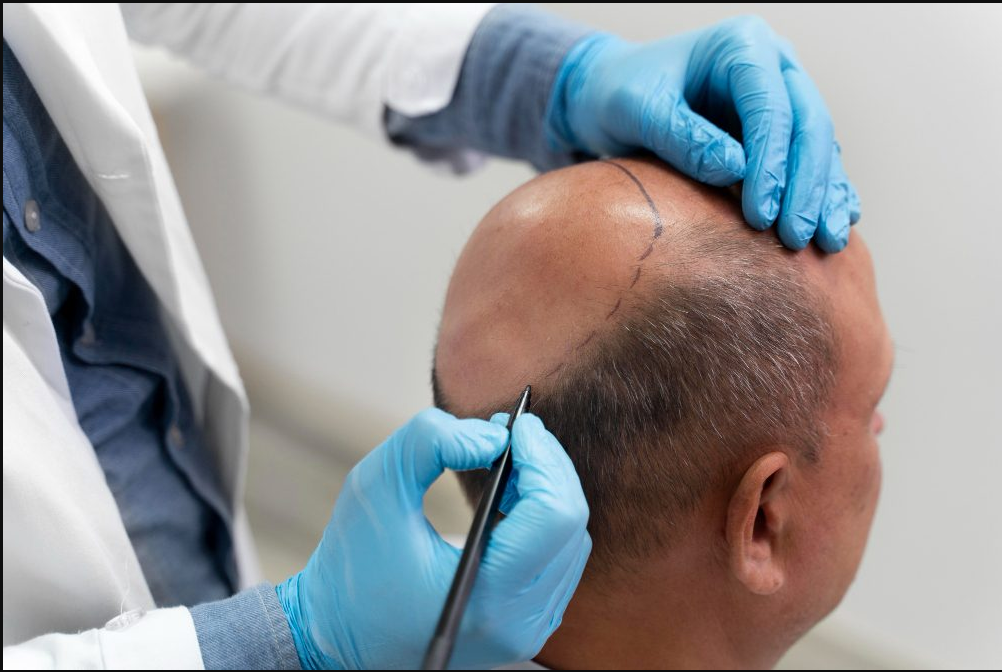
Hairline planning is an important consideration in hair transplantation. It involves evaluating facial proportions, age, existing hair density, donor availability and the patient's expectations.
4. Developing Knowledge of Graft Management
Follicular grafts require careful handling. Training can introduce professionals to graft extraction principles, preservation, organisation and factors that may influence graft quality.
5. Improving Patient Assessment and Safety Awareness
Patient suitability, medical history, scalp condition and clinical safety must be considered before any hair restoration procedure.
Professional education helps learners understand these important responsibilities.
What Are the Main Hair Transplant Techniques Covered in Training?
A good hair restoration curriculum should explain the principles, differences and clinical considerations of modern transplantation approaches.
1. FUE Hair Transplant Technique
Follicular Unit Extraction (FUE) is a hair transplantation approach in which individual follicular units are extracted from the donor area.
The extracted grafts are subsequently prepared and placed in the recipient area according to the treatment plan.
Important learning areas include:
Donor area assessment.
Follicular unit anatomy.
Extraction instruments.
Graft handling and preservation.
Recipient area planning.
Hairline design.
Post-procedure care.
Understanding FUE requires knowledge of both the extraction process and the factors that influence graft survival and natural-looking results.
2. DHI Hair Transplant Technique
Direct Hair Implantation (DHI) is an implantation approach commonly associated with specialised implanter instruments.
It involves placing extracted follicular grafts into the recipient area using an implantation device.
Training may introduce learners to:
DHI instruments and their applications.
Graft loading principles.
Implantation workflow.
Direction and angle considerations.
Recipient area planning.
Clinical safety and graft handling.
FUE vs DHI: What Is the Difference?
ComparisonFUEDHIFull formFollicular Unit ExtractionDirect Hair ImplantationMain conceptIndividual follicular unit extractionImplantation using a specialised implanterExtractionIndividual graft extractionIndividual graft extractionImplantationDepends on the selected implantation workflowCommonly uses an implanter deviceLearning focusExtraction and graft managementImplantation instruments and graft placement
Both approaches have different clinical considerations. The appropriate technique depends on patient characteristics, clinical assessment and the treating specialist's judgement.
What Does a Hair Transplant Training Course Curriculum Include?
Before enrolling in a hair restoration program, it is important to understand its curriculum and practical learning components.
A structured curriculum may include the following modules:
Module 1: Hair Loss Assessment and Diagnosis
Understanding different hair loss conditions, scalp examination, hair density assessment and donor area evaluation.
Module 2: FUE Hair Transplant Principles
Introduction to follicular extraction, instruments, graft handling and the clinical workflow involved in FUE.
Module 3: DHI Hair Transplant Principles
Understanding specialised implantation instruments, graft placement concepts and the DHI workflow.
Module 4: Hairline Design and Graft Planning
Learning about facial proportions, natural hairline patterns, donor hair availability and recipient area planning.
Module 5: Patient Care and Clinical Safety
Understanding patient evaluation, infection prevention, clinical hygiene and appropriate patient care.
Module 6: Complications and Post-Procedure Management
Learning about possible complications, warning signs, follow-up requirements and appropriate management under qualified clinical supervision.
At Youngness Institute, these topics form part of the hair transplant training curriculum. Practical exposure and specific training activities should be confirmed with the admissions team for the selected batch.
Who Is Eligible for a Hair Transplant Training Course?
Eligibility is one of the most important factors to consider before choosing a hair transplant training program.
Different training programs may have different admission requirements depending on their curriculum and the clinical activities involved.
The Youngness Institute landing page identifies MBBS doctors as the intended eligible audience for its clinical training program.
Before applying, candidates should confirm:
Required medical qualifications.
Valid professional registration, where applicable.
Course-specific admission requirements.
Scope of practical and clinical exposure.
Certification and assessment requirements.
Applicable professional and regulatory restrictions.
Important: Completing a training course does not automatically grant independent surgical practice rights. The performance of medical and surgical procedures must comply with applicable professional qualifications, registration and regulations.
How to Choose the Best Hair Transplant Training Institute in Delhi?
Selecting a training institute requires careful consideration of the educational quality, faculty expertise and practical learning arrangements.
Here are some important factors to evaluate before enrolling.
1. Experienced Faculty
Check the qualifications, professional experience and clinical background of the faculty members responsible for delivering the training.
2. Structured Course Curriculum
Choose a program that clearly explains its modules, learning objectives and coverage of FUE, DHI, patient assessment and clinical safety.
3. Practical Learning Opportunities
Understand whether the program includes demonstrations, clinical observership and supervised practical exposure.
Ask about the nature of patient exposure and the responsibilities permitted for trainees.
4. Training Infrastructure
Review the available clinical facilities, equipment and learning environment.
5. Transparent Certification Details
Before admission, ask who issues the certificate, what it represents, whether an assessment is required and what recognition is officially supported.
6. Student Support and Career Guidance
Evaluate whether the institute offers academic guidance, mentorship and appropriate professional development support.
Why Consider Youngness Institute for Hair Transplant Training in Delhi?
Youngness Institute offers a specialised Hair Transplant Training Course in Delhi for its intended medical professional audience.
The program focuses on important areas of hair restoration education, including FUE and DHI principles, hair loss assessment, hairline design, graft planning and patient care.
Its course information highlights the following learning features:
Structured hair restoration curriculum.
Understanding of modern FUE and DHI approaches.
Practical and clinical learning opportunities.
Hairline design and graft planning education.
Patient assessment and clinical safety.
Professional guidance and development.
The institute also describes clinical exposure and supervised learning as part of its training approach. Prospective candidates should confirm the exact practical activities, batch availability, eligibility and course details before admission.
Explore the course: Hair Transplant Training Course in Delhi – Youngness Institute
Career Opportunities After Hair Transplant Training
Hair restoration education can support professional development for appropriately qualified medical professionals interested in the hair restoration field.
Depending on qualifications, experience, professional permissions and additional training, potential professional pathways may include:
Hair Restoration Clinical Practice
Developing specialised knowledge in hair loss evaluation and hair restoration treatment planning.
Hair Transplant Clinical Teams
Working within appropriately supervised clinical teams and supporting qualified specialists within permitted professional responsibilities.
Hair Restoration Consultation
Developing knowledge of patient communication, treatment options, expectations and follow-up coordination.
Hair Restoration Clinic Management
Understanding clinical operations, patient coordination, appointment management and service administration.
Advanced Professional Development
Pursuing further education in hair restoration, dermatology-related subjects and aesthetic medicine according to individual qualifications.
A training certificate alone does not guarantee employment, independent surgical practice or the right to perform medical procedures.
Frequently Asked Questions About Hair Transplant Training
1. What is a Hair Transplant Training Course?
A Hair Transplant Training Course is a specialised educational program covering hair loss assessment, FUE and DHI principles, graft management, hairline design and patient care.
2. Who can join a Hair Transplant Training Course in Delhi?
Eligibility depends on the institute's admission criteria and the training activities involved. Youngness Institute identifies MBBS doctors as the intended audience for its clinical hair transplant training program. Candidates should confirm current admission requirements before applying.
3. Does hair transplant training cover FUE and DHI techniques?
A comprehensive program may introduce both techniques. The Youngness Institute curriculum includes FUE and DHI principles, instruments, workflow and clinical considerations.
4. Is practical training included in a hair transplant course?
Practical learning may include demonstrations, clinical observership and supervised exposure. The exact activities depend on the selected course and the trainee's professional eligibility.
5. What is the difference between FUE and DHI?
FUE describes the extraction of individual follicular units from the donor area. DHI is an implantation approach commonly involving a specialised implanter device.
6. How long does a Hair Transplant Training Course take?
Course duration depends on the selected training program and batch schedule. Contact Youngness Institute to confirm the latest course duration.
7. What topics are covered in hair transplant training?
Common topics include hair loss assessment, scalp examination, FUE, DHI, graft management, hairline design, patient evaluation and clinical safety.
8. Does a hair transplant training certificate allow independent surgery?
No. A training certificate does not independently authorise someone to perform surgery. Applicable medical qualifications, professional registration and regulatory requirements must be fulfilled.
9. How should I choose a hair transplant training institute?
Evaluate faculty qualifications, curriculum, practical learning arrangements, infrastructure, certification details and professional guidance before enrolling.
10. Where can I learn hair transplant techniques in Delhi?
Youngness Institute offers a Hair Transplant Training Course in Delhi. Interested candidates can visit its official course page to review the curriculum and enquire about admission.
Conclusion
Hair restoration is a specialised area that requires a strong understanding of hair loss assessment, transplantation techniques, graft management and patient safety.
For eligible medical professionals, structured education can provide an opportunity to explore modern hair restoration approaches and develop relevant clinical knowledge.
If you are considering a Hair Transplant Training Course in Delhi, evaluate the curriculum, faculty experience, practical learning arrangements and professional eligibility before making your decision.
Explore the Hair Transplant Training Course at Youngness Institute to learn more about its curriculum, training approach and admission requirements.
Ready to start your aesthetic career?
Explore hands-on courses designed for doctors and professionals.