Introduction
Hair and scalp health have become important areas of interest in modern healthcare, creating opportunities for professionals who want to develop specialised knowledge of hair loss, scalp disorders, and hair restoration. Trichology focuses on the scientific study of hair and scalp conditions, including their causes, assessment, and management.
Enrolling in Trichology Courses in Delhi can help eligible healthcare professionals explore this specialised field through structured education and practical learning. These courses may cover hair anatomy, hair growth cycles, common hair disorders, diagnostic approaches, and evidence-based treatment options.
For qualified medical practitioners, a Medical Trichology Course for Doctors can provide more clinically focused education on evaluating hair loss, understanding underlying causes, and developing appropriate patient management plans.
In this article, we will explore trichology training, key course modules, eligibility requirements, career opportunities, and how to choose a suitable institute in Delhi.
What Is Trichology?
Trichology is the scientific study of hair and scalp health. It involves understanding the structure of hair, the hair growth cycle, common scalp conditions, and factors that contribute to hair thinning and hair loss.
Hair-related concerns can develop for several reasons, including genetics, hormonal changes, nutritional deficiencies, certain medications, stress, and underlying medical conditions. Identifying the cause is essential because different conditions may require different management approaches.
Professional trichology education introduces learners to hair and scalp assessment, relevant diagnostic methods, and available treatment options. The depth of clinical training depends on the course curriculum and the participant's professional qualifications.
Trichology education can complement existing healthcare knowledge, particularly for professionals interested in dermatology, hair restoration, and related clinical fields.
Why Choose Trichology Courses in Delhi?
Delhi offers access to healthcare institutions, medical education providers, and professional training opportunities. For candidates interested in developing expertise in hair and scalp health, choosing a suitable programme can be an important step towards professional development.
Here are some potential benefits of enrolling in Trichology Courses in Delhi.
1. Develop Specialised Knowledge of Hair Disorders
Training can help participants understand common hair concerns, including pattern hair loss, excessive shedding, dandruff, scalp inflammation, and selected forms of hair shaft damage.
Understanding these conditions can support better assessment and appropriate referral decisions within the learner's professional scope.
2. Understand Hair Growth and Scalp Biology
A structured course may cover the hair follicle, hair growth phases, scalp physiology, and factors that influence hair growth. This foundational knowledge helps learners understand why hair loss occurs and why treatment approaches differ between individuals.
3. Learn Assessment and Diagnostic Approaches
Depending on the programme, learners may be introduced to patient history-taking, scalp examination, hair-pull testing, trichoscopy, and the interpretation of relevant laboratory investigations.
Accurate diagnosis is important because some forms of hair loss may indicate an underlying medical condition requiring further investigation or specialist care.
4. Explore Evidence-Based Treatment Options
Trichology training may introduce medical and supportive approaches to hair loss management. These can include selected medications, nutritional assessment, scalp care, and hair restoration options where clinically appropriate.
The choice of treatment should be based on diagnosis, patient suitability, current evidence, and applicable professional regulations.
What Is a Medical Trichology Course for Doctors?
A Medical Trichology Course for Doctors is a clinically oriented educational programme designed for eligible medical practitioners who want to expand their knowledge of hair and scalp disorders.
Unlike general hair and beauty training, medical trichology education may focus on clinical assessment, differential diagnosis, investigations, treatment selection, and follow-up.
Depending on the syllabus, doctors may study common and complex forms of hair loss, including androgenetic alopecia, telogen effluvium, alopecia areata, and selected inflammatory or scarring scalp disorders.
Training may also cover the role of medical history, family history, medication review, hormonal factors, and nutritional considerations when evaluating hair loss.
Doctors should look for programmes that emphasise evidence-based practice, patient safety, clinical reasoning, and recognition of conditions that require specialist referral.
Course completion does not replace formal medical qualifications, specialist training, or any professional registration required to provide particular treatments.
Important Topics Covered in Trichology Training
The course syllabus varies by institute, but comprehensive programmes may cover the following subjects.
Hair Anatomy and the Hair Growth Cycle
Learners study the structure of the hair follicle and the main phases of hair growth: anagen, catagen, and telogen. Understanding these phases helps explain normal hair shedding and changes associated with different types of hair loss.
Common Hair Loss Conditions
Training may cover androgenetic alopecia, telogen effluvium, alopecia areata, and other forms of hair loss. Learners explore their potential causes, characteristic presentations, and assessment requirements.
Scalp Disorders
This module may introduce dandruff, seborrhoeic dermatitis, scalp psoriasis, folliculitis, and other scalp concerns. Understanding the differences between these conditions helps guide appropriate management and referral.
Trichoscopy and Diagnostic Assessment
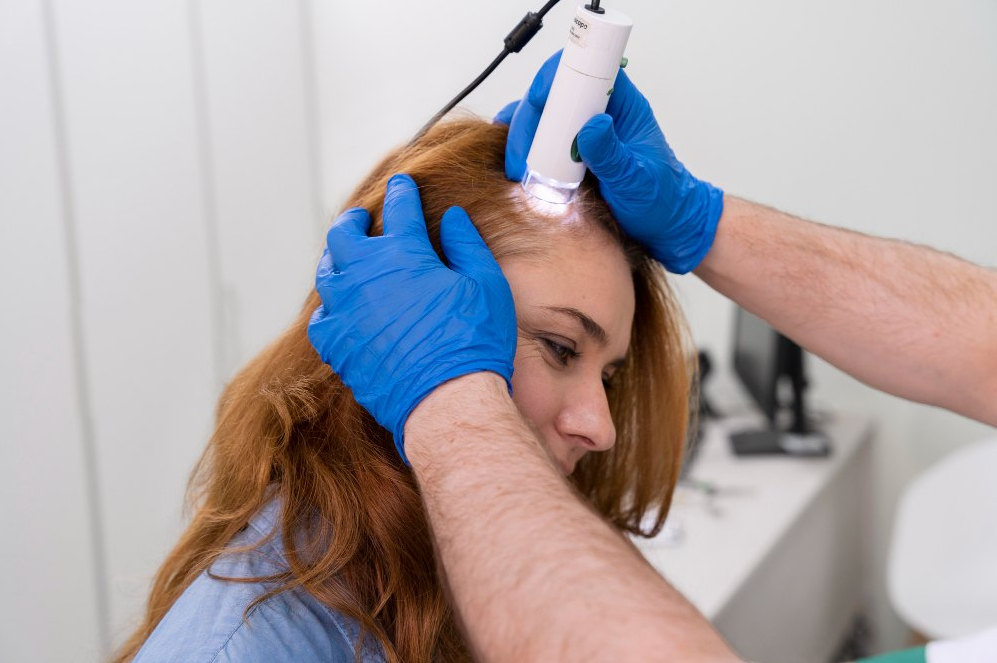
Some courses introduce trichoscopy, a technique that uses magnification to examine the scalp and hair. Learners may study its applications, limitations, and role in supporting clinical assessment.
Laboratory Investigations
Depending on the patient's history and symptoms, clinicians may consider selected investigations to identify possible contributing factors. Training may discuss the appropriate use and interpretation of tests related to iron status, thyroid function, or other suspected causes.
Investigations should be selected according to clinical indications rather than ordered routinely for every patient.
Medical Management of Hair Loss
Doctor-focused programmes may cover the principles of medical management, including treatment selection, contraindications, monitoring, and follow-up. Specific treatments must be prescribed and administered only by appropriately qualified professionals within their authorised scope of practice.
Hair Restoration and Advanced Treatment Options
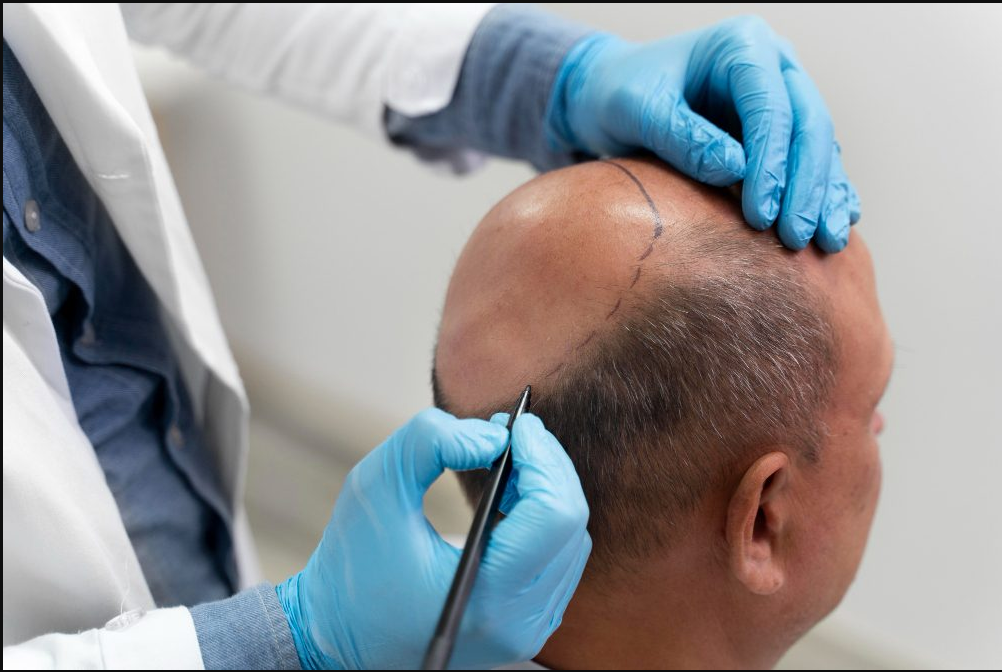
Some programmes introduce hair transplantation, platelet-rich plasma (PRP), low-level light-based therapies, and other hair restoration approaches.
Candidates should check whether these subjects involve theoretical teaching, demonstrations, supervised practice, or formal procedural training. These formats are not equivalent, and clinical procedures require appropriate qualifications and training.
Who Can Enrol in Trichology Courses in Delhi?
Eligibility varies according to the institute and course level.
Some programmes are designed specifically for qualified doctors, while others may accept additional healthcare professionals or candidates from related fields.
Before applying, review the following requirements:
Minimum educational qualifications.
Whether an MBBS degree or medical registration is required.
Whether the course is intended for doctors or non-medical learners.
The practical training included in the curriculum.
The qualification or certificate awarded.
Any professional restrictions associated with the procedures taught.
Candidates planning to pursue clinical hair and scalp treatment should choose training that matches their existing qualifications and professional responsibilities.
Career Opportunities After Trichology Training
Completing an appropriate trichology programme may help professionals explore opportunities related to hair and scalp health.
Potential pathways include:
Working in an established clinic within the scope of existing qualifications.
Expanding hair and scalp assessment services in an eligible medical practice.
Pursuing further education in dermatology or hair restoration.
Developing expertise in the evaluation of common hair loss conditions.
Supporting hair restoration services as part of an appropriately qualified clinical team.
Exploring teaching and professional education opportunities with suitable experience.
For doctors, additional trichology education may complement existing medical practice. However, career outcomes depend on qualifications, practical competence, experience, and applicable regulations. A short course alone does not establish specialist status.
How to Choose the Best Trichology Course in Delhi
Selecting the right institute requires more than comparing course fees. Consider these important factors before enrolling.
1. Review the Course Curriculum
Check whether the syllabus includes hair biology, common hair disorders, diagnostic assessment, treatment principles, and patient management.
For doctors, a clinically focused curriculum may be more suitable than a programme centred exclusively on cosmetic hair care.
2. Evaluate Faculty Qualifications
Review the academic background and relevant clinical experience of the trainers. Qualified faculty can help learners understand diagnostic challenges, treatment limitations, and patient safety.
3. Check Practical Exposure
Ask whether the programme includes supervised clinical sessions, case discussions, demonstrations, or training in diagnostic equipment. Confirm the extent of practical involvement permitted for your professional background.
4. Verify Certification Details
Understand who issues the certificate and what it signifies. Do not assume that a private training certificate is equivalent to a recognised postgraduate qualification or specialist credential.
5. Compare Duration and Fees
Compare the syllabus, training hours, faculty, practical exposure, and total fees. A programme should offer value through relevant educational content rather than promotional claims alone.
6. Ask About Post-Course Learning
Continuing education, case discussions, and refresher sessions may help learners keep up with evolving evidence and clinical practices.
Frequently Asked Questions
1. What are Trichology Courses in Delhi?
Trichology Courses in Delhi are educational programmes focused on hair and scalp science, hair loss conditions, assessment methods, and treatment approaches. Their scope depends on the institute and the intended participants.
2. What is a Medical Trichology Course for Doctors?
A Medical Trichology Course for Doctors is designed to provide clinically focused education on hair and scalp disorders, diagnostic assessment, and evidence-based management for eligible medical practitioners.
3. Can doctors benefit from trichology training?
Yes. Relevant training may help doctors strengthen their understanding of hair loss assessment and management. Its usefulness depends on the curriculum, the doctor's existing experience, and the intended clinical application.
4. What subjects are covered in a trichology course?
Topics may include hair anatomy, the hair growth cycle, common hair loss conditions, scalp disorders, trichoscopy, laboratory investigations, medical management, and hair restoration options.
5. How long does a trichology course take?
Course duration varies according to the training format, syllabus, and practical components. Candidates should confirm the duration directly with the institute.
6. Does a trichology certificate make someone a dermatologist?
No. Completing a trichology course does not automatically confer a dermatology specialist qualification. Candidates must meet the relevant recognised training and professional requirements.
Conclusion
Trichology is an evolving area of hair and scalp science that offers opportunities for continued professional education. By studying hair biology, common scalp disorders, diagnostic techniques, and treatment principles, learners can build a stronger foundation in understanding hair-related concerns.
If you are researching Trichology Courses in Delhi, compare the curriculum, faculty experience, practical exposure, and certification carefully. For qualified medical practitioners, a Medical Trichology Course for Doctors may provide more clinically focused learning aligned with existing medical expertise.
Choosing a suitable programme can support professional development while reinforcing the importance of accurate diagnosis, evidence-based treatment, and responsible patient care.
Ready to start your aesthetic career?
Explore hands-on courses designed for doctors and professionals.