Introduction
The field of aesthetic medicine is growing rapidly as more people seek professional skincare treatments, anti-ageing procedures, laser treatments, and other non-surgical aesthetic solutions. This growing demand has created new opportunities for qualified doctors and medical professionals who want to develop specialised skills in aesthetic practice.
Choosing an Aesthetic Medicine Course can be an important step towards building a career in this expanding field. Professional training helps eligible candidates understand aesthetic procedures, patient assessment, skin health, treatment planning, and clinical safety.
Delhi has become a popular destination for professional medical education, offering opportunities for individuals looking to explore a Cosmetology Course in Delhi or specialised Aesthetic Courses in Delhi. With suitable training and practical exposure, medical professionals can expand their expertise and work towards establishing a successful aesthetic practice.
In this guide, we will explore aesthetic medicine courses, their benefits, essential training areas, career opportunities, and the factors to consider when choosing the right institute.
What Is an Aesthetic Medicine Course?
An Aesthetic Medicine Course is a specialised training programme designed to help eligible healthcare professionals develop knowledge and practical skills in cosmetic and non-surgical aesthetic treatments.
Depending on the course curriculum, training may cover skin rejuvenation, chemical peels, laser-based treatments, pigmentation management, acne and scar treatments, hair restoration, and selected injectable procedures.
The objective is to help participants understand how aesthetic treatments work, how to assess patients, how to identify suitable treatment options, and how to maintain appropriate clinical safety standards.
A good programme combines theoretical education with supervised practical training, case discussions, and demonstrations wherever appropriate.
Before enrolling, candidates should verify the course's eligibility criteria, clinical training facilities, faculty qualifications, and recognition status. A course certificate does not automatically grant independent practice rights or authorisation to perform every aesthetic procedure.
Why Choose an Aesthetic Medicine Course?
Professional training can help healthcare practitioners develop specialised expertise and understand the changing needs of aesthetic patients.
1. Develop Specialised Clinical Skills
An aesthetic medicine programme can introduce participants to commonly used treatment approaches for concerns such as uneven skin tone, acne scars, fine lines, and unwanted hair.
Structured training also helps learners understand patient selection, treatment limitations, contraindications, and the importance of appropriate follow-up.
2. Explore a Growing Professional Field
Demand for aesthetic services has encouraged many medical professionals to explore additional clinical specialisations. Formal training can help eligible candidates evaluate opportunities in dermatology-related aesthetic services and cosmetic treatment settings.
However, actual career prospects depend on qualifications, experience, applicable regulations, and local demand.
3. Gain Practical Learning Experience
Practical exposure is an important consideration when selecting an Aesthetic Medicine Course. Supervised demonstrations and clinical sessions can help participants understand equipment handling, treatment protocols, infection prevention, and patient communication.
Candidates should ask institutes about the amount of hands-on training offered and whether the practical sessions are appropriate for their professional qualifications.
4. Build Patient Communication Skills
Aesthetic practice involves more than performing procedures. Professionals must understand patient expectations, discuss realistic outcomes, explain possible risks, and obtain informed consent.
Training that includes consultation techniques and ethical patient management can support a more responsible approach to aesthetic care.
What Topics Are Covered in Aesthetic Courses in Delhi?
The exact syllabus varies by institute and programme level. Many Aesthetic Courses in Delhi may include the following subjects.
Skin Rejuvenation
Skin rejuvenation training introduces participants to treatments designed to improve the appearance and texture of the skin. Topics may include patient assessment, treatment selection, skin preparation, and post-treatment care.
Chemical Peels
Chemical peel training may cover different peel types, skin indications, patient suitability, contraindications, and potential complications. Learners should understand the importance of appropriate product selection and safe application.
Medical Laser Treatments
Laser education may introduce the principles of laser technology and its applications in selected skin and hair treatments. Training should include eye protection, device safety, skin assessment, and risk management.
Acne and Scar Management
This module may explore common causes of acne, different types of acne scars, available treatment approaches, and the importance of selecting treatments according to individual skin conditions.
Pigmentation Treatments
Pigmentation-related training can cover concerns such as uneven skin tone, melasma, and selected forms of hyperpigmentation. Candidates should learn why accurate assessment is important before recommending any procedure.
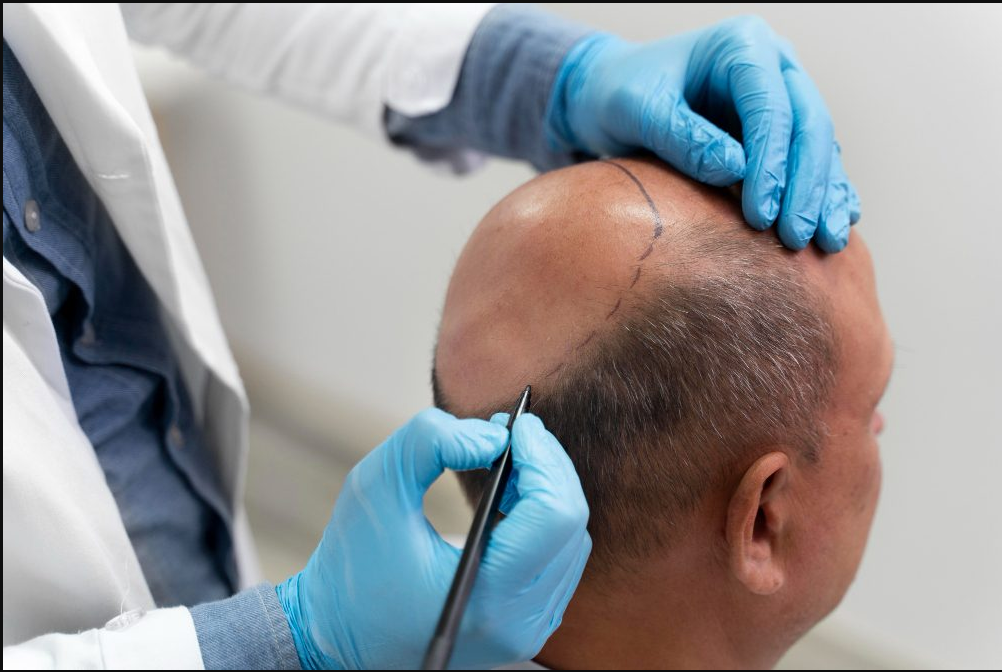
Hair Restoration
Depending on the syllabus, hair restoration modules may cover common causes of hair loss, scalp assessment, available treatment options, and referral considerations.
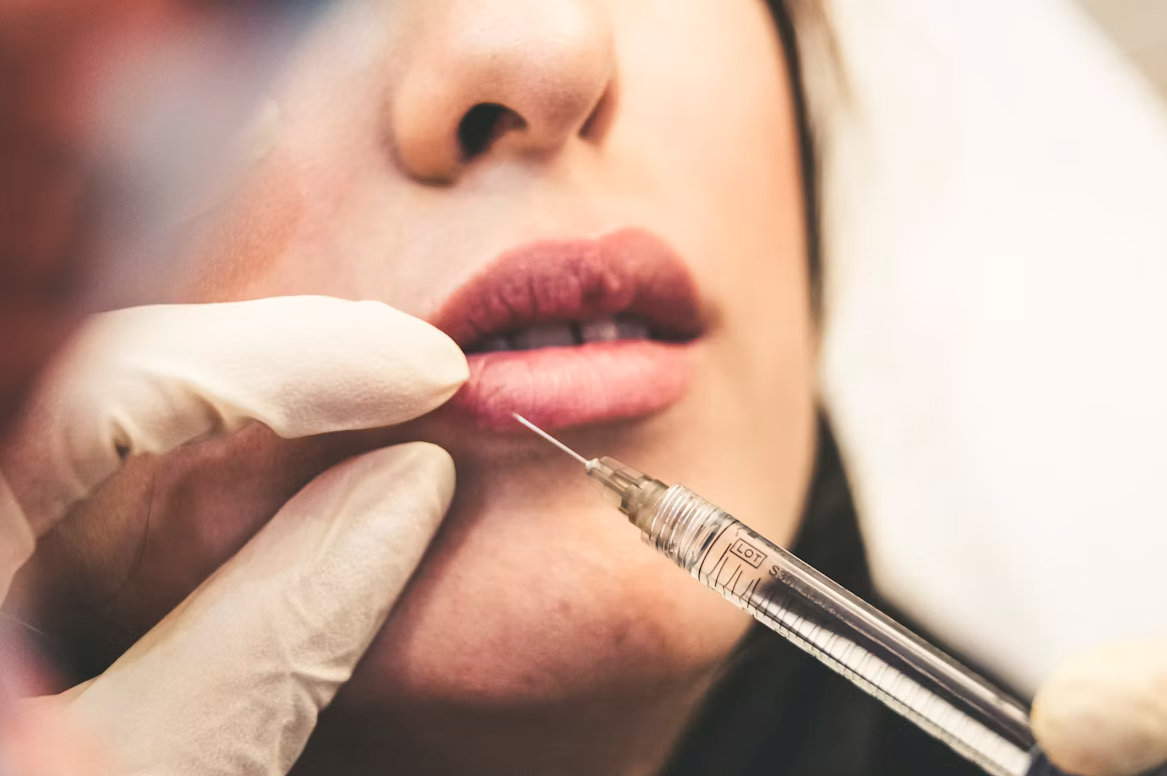
Injectable Aesthetic Procedures
Some advanced programmes include selected injectable treatments, such as botulinum toxin or dermal fillers. These procedures require appropriate professional qualifications, specialised supervised training, and compliance with applicable laws and clinical standards.
Cosmetology Course in Delhi: What Should You Know?
A Cosmetology Course in Delhi may be suitable for people interested in skincare, cosmetic science, beauty treatments, and professional skin-related services.
However, cosmetology and aesthetic medicine are not interchangeable terms. Cosmetology programmes can focus on beauty and skincare practices, while medical aesthetic programmes may involve clinical assessment and medical procedures intended for appropriately qualified healthcare professionals.
Before choosing a course, consider your educational background and career goals.
For example, someone interested in non-medical skincare services may prefer a programme focused on cosmetic skincare and beauty techniques. A qualified doctor seeking to expand into clinical aesthetic treatments may need a medically oriented programme with appropriate supervised practical training.
Always check the course syllabus, admission requirements, and the professional activities permitted after completing the programme.
Who Can Enrol in an Aesthetic Medicine Course?
Eligibility depends on the institute and the specific training programme.
Some courses are designed for qualified doctors and other eligible healthcare professionals, while cosmetology programmes may accept candidates with different educational backgrounds.
Before applying, confirm:
Minimum educational qualifications.
Whether a medical degree or professional registration is required.
Which procedures are covered by the programme.
Whether practical sessions involve live patients or demonstrations.
The certification awarded upon completion.
Any additional licensing or regulatory requirements.
Medical procedures must only be performed by professionals who are appropriately qualified and legally authorised to do so.
How to Choose the Best Aesthetic Medicine Course in Delhi
Selecting the right institute is essential for gaining relevant knowledge and developing safe clinical practices.
1. Review the Curriculum
Look for a clearly defined syllabus covering the subjects relevant to your professional goals. Check whether the programme offers foundational education, advanced modules, or a combination of both.
2. Evaluate Faculty Experience
Consider the qualifications and relevant clinical experience of the trainers. Experienced faculty can help learners understand treatment principles, patient assessment, and the management of complications.
3. Check Practical Training
Practical learning should be appropriate to the course level and participant qualifications. Ask about supervised sessions, equipment access, clinical demonstrations, and opportunities to discuss real-world cases.
4. Understand the Certification
Find out who issues the certificate and what it represents. Do not assume that every private certificate is government-recognised or provides a licence to perform medical procedures.
5. Compare Course Duration and Fees
Compare the duration, curriculum, teaching methods, practical exposure, and total fees of different institutes. The cheapest programme may not provide the training you need, while a higher fee does not automatically guarantee better education.
6. Consider Post-Course Support
Some institutes may offer case discussions, refresher sessions, or continuing education opportunities. Such support can be valuable when evaluating your long-term professional development.
Career Opportunities After an Aesthetic Medicine Course
Completing appropriate aesthetic training may help eligible professionals explore different career pathways.
Potential opportunities include:
Working in an established aesthetic clinic within the scope of professional qualifications.
Expanding the range of services offered by an eligible medical practice.
Developing expertise in selected skin rejuvenation and laser-based treatments.
Pursuing further education in advanced aesthetic procedures.
Exploring teaching or training opportunities when suitably qualified and experienced.
Establishing an aesthetic practice where permitted by applicable professional and regulatory requirements.
Career outcomes are not guaranteed by course completion alone. They also depend on previous qualifications, practical competence, professional experience, and compliance with relevant regulations.
Why Consider Aesthetic Courses in Delhi?
Delhi offers access to medical education providers, healthcare facilities, and professional learning opportunities. Candidates can compare institutes based on their course structure, faculty, training facilities, and location.
When researching Aesthetic Courses in Delhi, prioritise the quality and suitability of training rather than relying only on promotional claims.
A suitable institute should provide transparent course information, clearly explain eligibility requirements, and describe the practical training available to participants.
For aspiring aesthetic professionals, the right educational programme can provide a foundation for continued learning and responsible professional development.
Frequently Asked Questions
1. What is an Aesthetic Medicine Course?
An Aesthetic Medicine Course is a specialised educational programme covering selected cosmetic and aesthetic treatments, patient assessment, clinical safety, and treatment planning. The syllabus and eligibility requirements vary by institute.
2. Who can join an aesthetic medicine programme?
Eligibility depends on the course. Medical aesthetic training involving clinical procedures may be restricted to appropriately qualified healthcare professionals, while some cosmetology programmes accept a broader range of applicants.
3. What is the difference between cosmetology and aesthetic medicine?
Cosmetology generally focuses on beauty, skincare, and cosmetic services. Aesthetic medicine may include clinical procedures and medical treatment approaches that require appropriate professional qualifications and training.
4. How long does an Aesthetic Medicine Course take?
Course duration varies according to the syllabus, training level, and practical components. Candidates should check the institute's published schedule before enrolling.
5. What subjects are taught in Aesthetic Courses in Delhi?
Depending on the programme, subjects may include chemical peels, skin rejuvenation, laser treatments, acne and scar management, pigmentation treatments, and selected advanced procedures.
6. Can I open an aesthetic clinic after completing a course?
Course completion alone does not guarantee the right to open or independently operate a medical aesthetic clinic. You must meet the applicable qualification, registration, licensing, facility, and professional requirements.
7. How do I choose a Cosmetology Course in Delhi?
Compare the syllabus, eligibility criteria, faculty, practical training, certification, course duration, and total fees. Choose a programme aligned with your educational background and intended career.
Conclusion
An Aesthetic Medicine Course can be a valuable educational opportunity for eligible healthcare professionals interested in developing specialised knowledge of cosmetic and aesthetic treatments. From skin rejuvenation and chemical peels to laser technologies and selected advanced procedures, the right training can help participants strengthen their understanding of treatment planning, patient safety, and clinical practice.
If you are exploring a Cosmetology Course in Delhi or comparing Aesthetic Courses in Delhi, carefully evaluate the curriculum, faculty experience, practical exposure, and certification before making a decision.
Choosing a suitable programme is an important step towards building relevant skills, continuing professional education, and pursuing long-term opportunities in the aesthetic field.
Ready to start your aesthetic career?
Explore hands-on courses designed for doctors and professionals.